Natural disasters are phenomena that occur all over the world and can have devastating effects on people and the environment. These catastrophes are caused by natural processes such as earthquakes, volcanic eruptions, floods, storms and forest fires. Although often unpredictable, natural disasters have a profound impact on societies and ecosystems.
One of the most devastating natural disasters are earthquakes. These sudden shifts in the earth’s crust can cause enormous damage to buildings, infrastructure and lives. People affected by earthquakes often face loss of life, injury and homelessness. In addition, earthquakes can cause secondary disasters, such as tsunamis if they occur undersea, adding to the impact.
Volcanic eruptions are another example of natural disasters that can have significant consequences. When a volcano erupts, it can lead to the release of lava, ash, toxic gases and pyroclastic flows. These materials can cover entire communities, destroy farmland and severely affect air quality. Proximity to active volcanoes can pose significant risks to surrounding populations and economies.
Floods are a common natural disaster often caused by heavy rainfall, storm surges or the melting of snow and ice. When rivers overflow their banks or levees break, large areas of land can be flooded, resulting in loss of life, damage to homes and infrastructure, and disruption to ecosystems. Floods can also have long-term effects, such as increasing the risk of disease and reducing agricultural production.
Storms, including hurricanes, typhoons and tornadoes, are also devastating natural disasters that can cause extensive damage. These powerful weather systems are often accompanied by high winds, heavy rainfall, lightning and storm surges, which can lead to flooding, mudslides, erosion and destruction of buildings and infrastructure. The impact of storms is often exacerbated by factors such as population density, poverty and inadequate infrastructure.
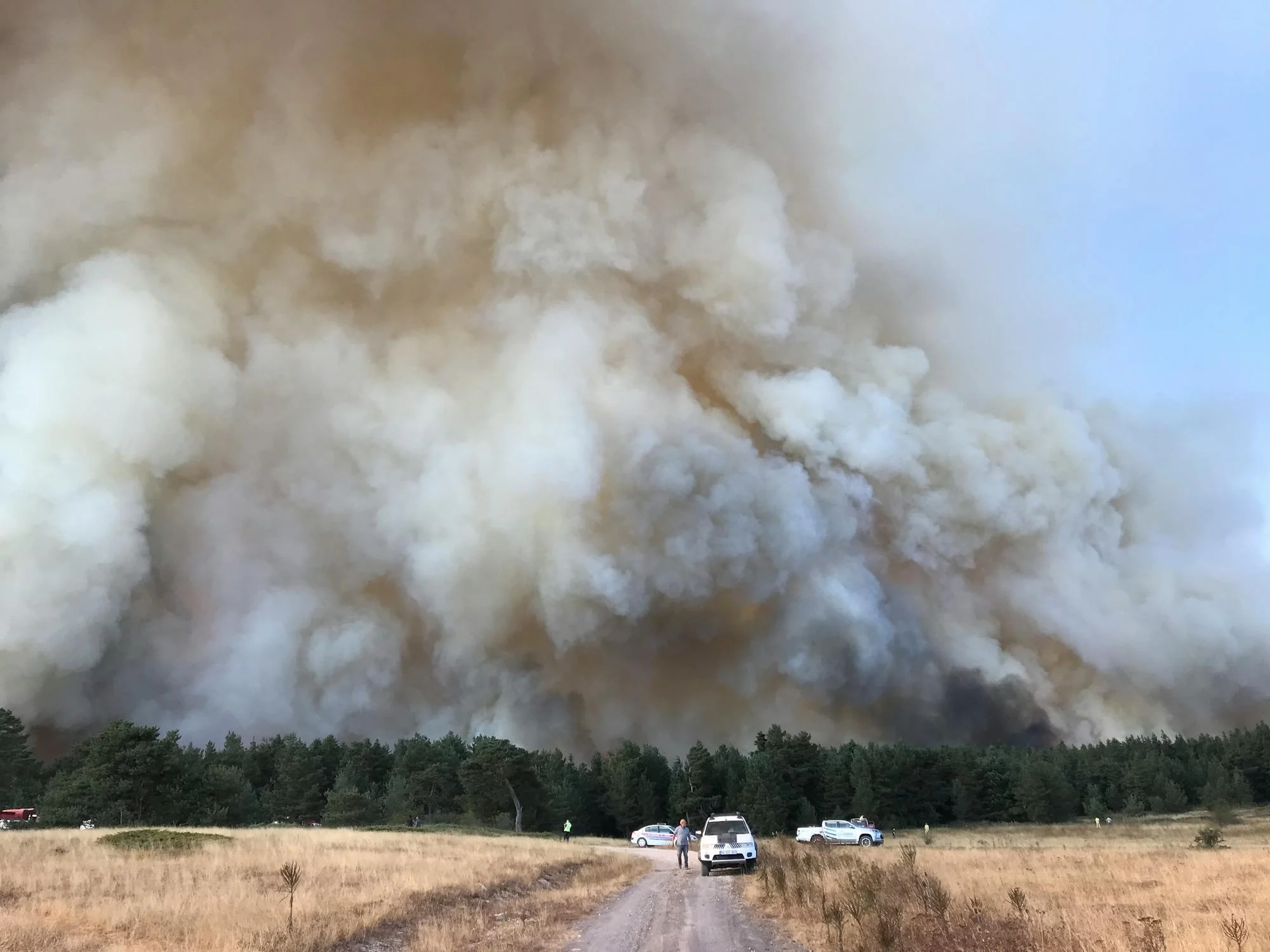
Forest fires are another type of natural disaster that is becoming increasingly common due to climate change and human activities. These fires can consume vast areas, destroy habitats, endanger species and cause air pollution. The effects of wildfires can be long-lasting, with loss of life, property and economic resources.
While natural disasters are inevitable, preventive measures and disaster management can help reduce their impact. This includes improving warning systems, developing disaster plans, strengthening infrastructure and promoting environmental protection and sustainability. By proactively responding to natural disaster risks, communities can become better prepared and more resilient in the face of the power of nature.