Global warming is no longer a distant reality. It is a reality that is having a profound and devastating effect on our planet, particularly on the natural world around us. From melting ice caps to changing ecosystems, the effects of climate change cannot be underestimated and have a far-reaching impact on life on Earth.
One of the most direct effects of global warming is the change in habitats and ecosystems. Species that depend on specific climatic conditions, such as polar bears in the Arctic or coral reefs in tropical waters, are threatened by changes in temperature and precipitation patterns. These changes are forcing many species to adapt, migrate or even become extinct.
Biodiversity loss is a direct result of these changes. Plants and animals that cannot adapt quickly enough to the new conditions are threatened. This can lead to disruption of food chains and loss of important ecosystem services, such as crop pollination and water purification.
In addition to habitat and species loss, global warming also negatively impacts ecosystem health. Extreme weather events, such as droughts, floods and forest fires, are becoming more common and have far-reaching impacts on both flora and fauna. Forest fires, for example, can destroy entire forests, not only causing habitat loss, but also releasing the carbon that was stored in these forests into the atmosphere, further exacerbating global warming.
Global warming also has an indirect effect on the natural world by changing oceanic conditions. The oceans absorb large amounts of CO2, leading to water acidification and harmful effects on marine life such as coral reefs and shellfish. In addition, ocean warming leads to melting of ice sheets, raising sea level and threatening coastal ecosystems.
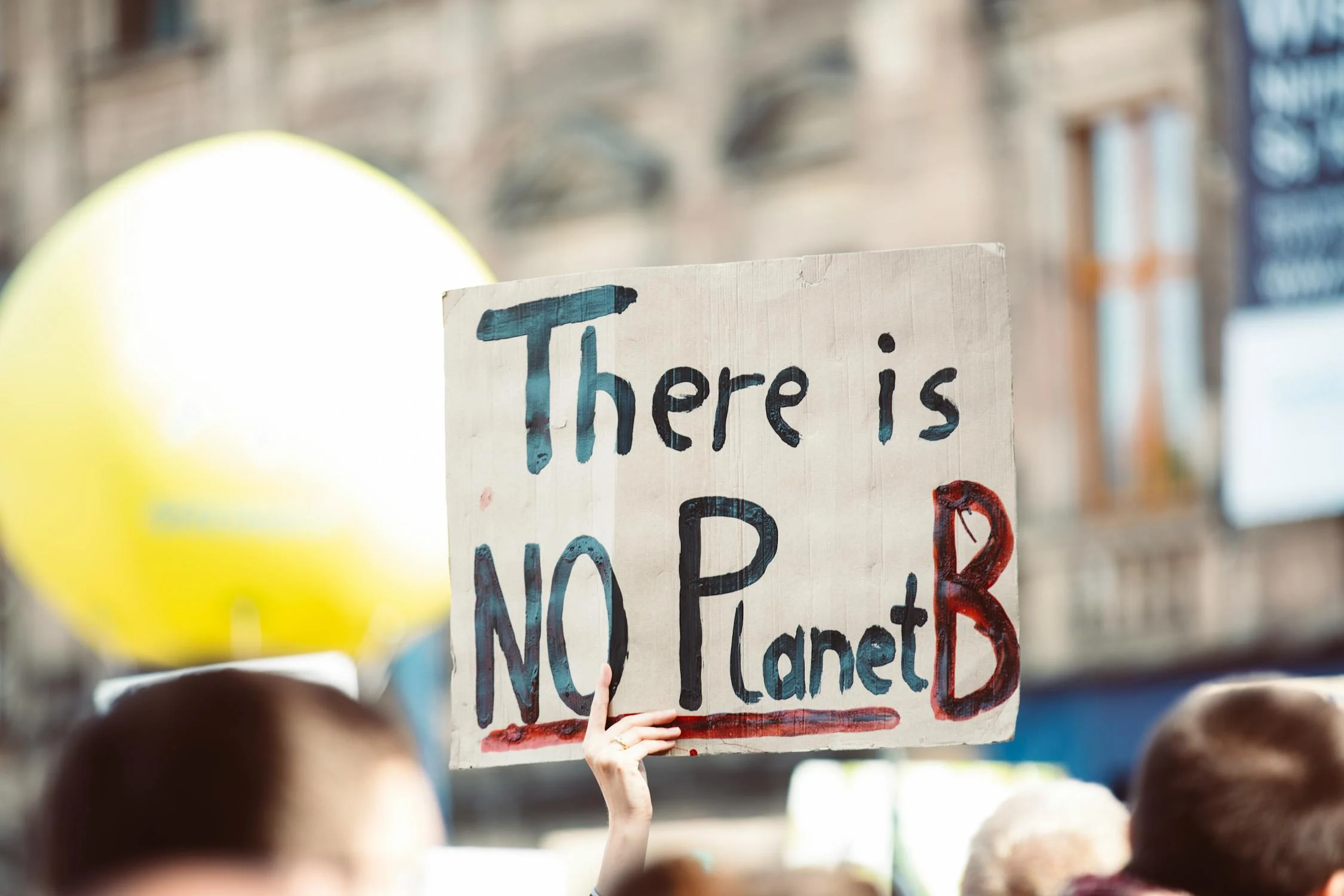
Clearly, global warming is having a devastating effect on the natural world. If we do nothing to reduce greenhouse gas emissions and address climate change, the consequences will only get worse. It is up to us to take action and find sustainable solutions to protect nature and secure the future of our planet.